Login

Over the past decade, broadband infrastructure has advanced rapidly. Fiber deployments, XGS-PON upgrades, and multi-gigabit access networks have significantly increased the bandwidth that operators can deliver to households.
However, improving the access network does not automatically translate into better user experience. Increasingly, the limiting factor lies inside the home network.
This mismatch creates a structural challenge for operators: the access network continues to improve, but the in-home connectivity environment evolves more slowly.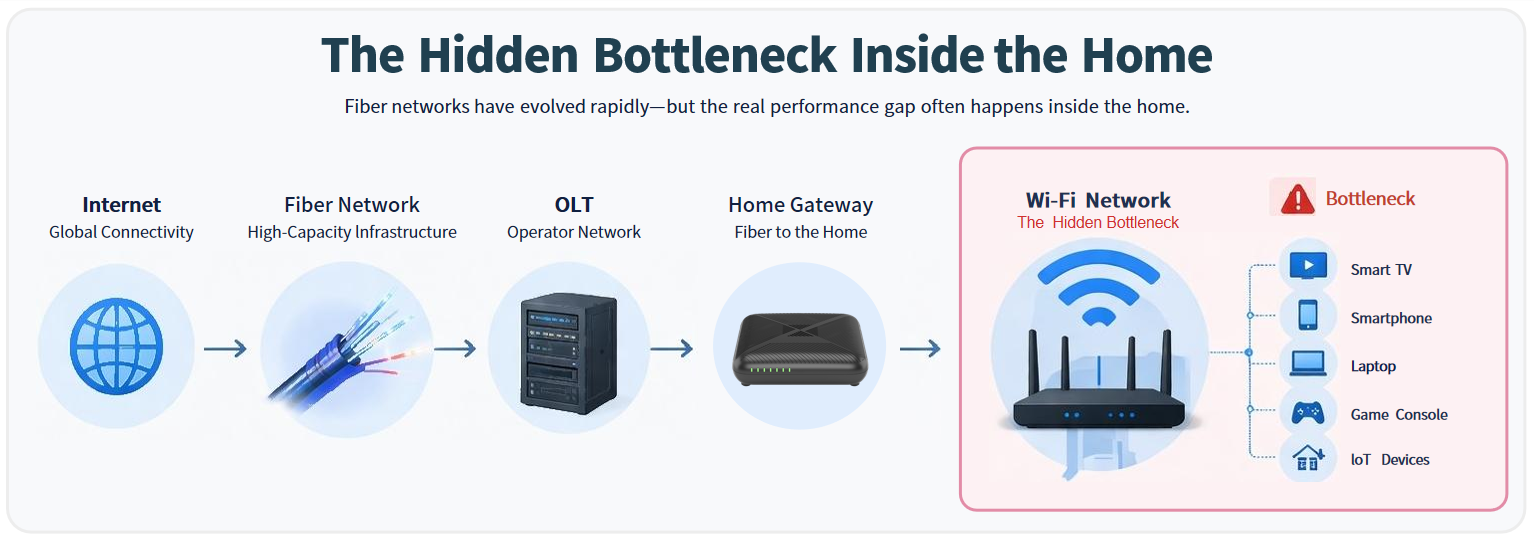
According to Ookla Speedtest Intelligence, broadband speeds measured through Ethernet connections are typically 30–40% faster than those measured over WiFi. This highlights a critical issue: even when access networks can deliver gigabit bandwidth, the in-home WiFi network frequently becomes the limiting factor.
For ISPs, this creates a perception challenge. Most users do not distinguish between fiber access performance and in-home WiFi quality — they simply conclude that their “broadband is slow”.
Recent research from Opensignal provides a clear picture of this gap between network capability and user experience.
In Spain — one of the most fiber-connected countries in the world — fiber and cable networks represent 96% of broadband connections, yet only 56% of households experience WiFi speeds above 100 Mbps, and just 37% exceed 250 Mbps in real-world measurements. This demonstrates a growing disconnect between network infrastructure capabilities and real user experience.
In other markets the gap can be even larger. Opensignal data shows that in some countries only around 35% of households achieve WiFi speeds above 100 Mbps, even when high-speed broadband access is widely available.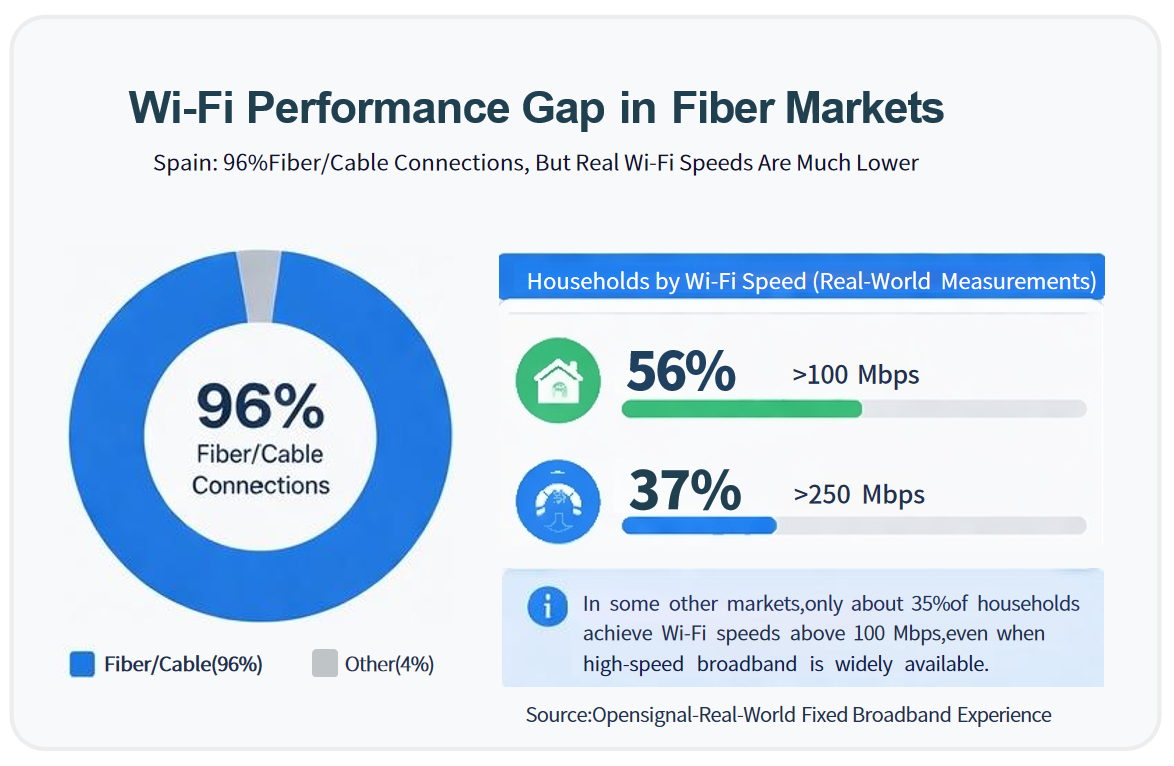
These findings do not necessarily reflect the global average but demonstrate a broader trend: customer premises equipment often lags behind the rapid evolution of access networks. As operators introduce gigabit or multi-gigabit broadband services, this capability gap becomes increasingly visible.
Even when the nominal bandwidth of a router matches the broadband plan, real-world Wi-Fi performance is affected by several additional factors.
According to Parks Associates, the average American broadband household now has more than 17 connected devices, including smart TVs, gaming consoles, smartphones, and IoT devices.
These devices generate constant traffic from applications such as:
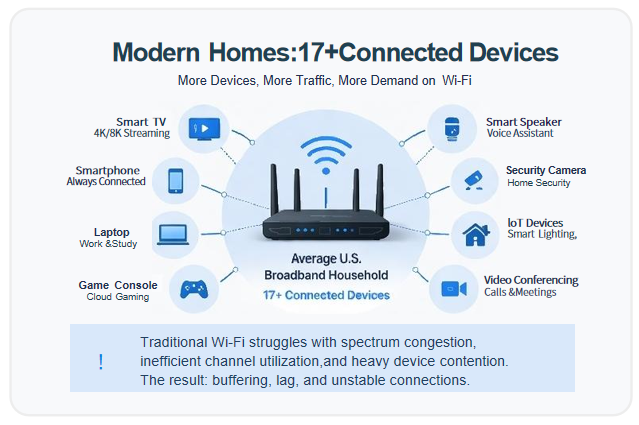
Under these conditions, traditional WiFi architectures struggle with:
These limitations directly translate into the issues users complain about most — buffering video, unstable video calls, and gaming latency.
WiFi 7 introduces architectural improvements designed specifically for high-density, high-traffic environments.
Technologies such as Multi-Link Operation (MLO) allow devices to transmit data simultaneously across multiple frequency bands, significantly improving throughput stability.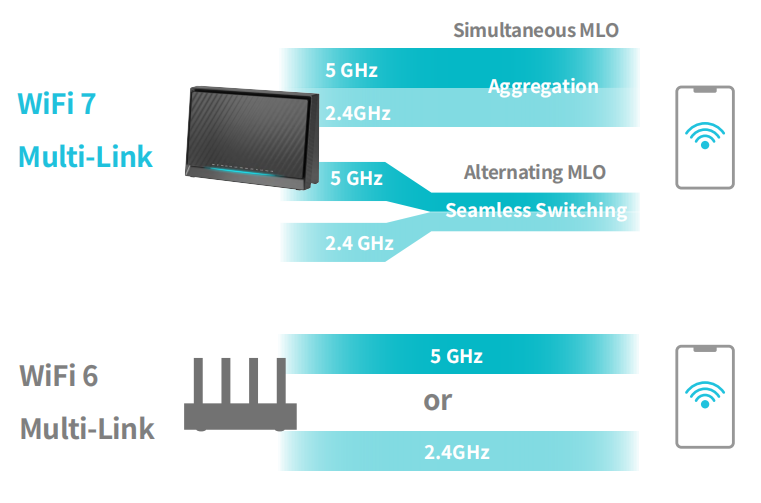
Combined with 4096-QAM modulation and wider channel bandwidth, WiFi 7 can dramatically increase wireless capacity for modern households.
For end users, this translates into:
Industry surveys suggest that a significant portion of broadband providers plan to introduce Wi-Fi 7-based services in the coming years, particularly in markets where multi-gigabit broadband is emerging.
This is why many operators are now looking for integrated fiber and next-generation Wi-Fi platforms that can fully utilize the bandwidth delivered by modern access networks.
A new generation of devices combines 10G fiber access, WiFi 7 wireless connectivity, and integrated service capabilities. One example is the Comnect XP955XVE WiFi 7 HGU.
10G Symmetrical Fiber Access
XP955XVE supports XGS-PON with 10Gbps symmetrical upstream and downstream bandwidth, enabling operators to deliver multi-gigabit broadband services.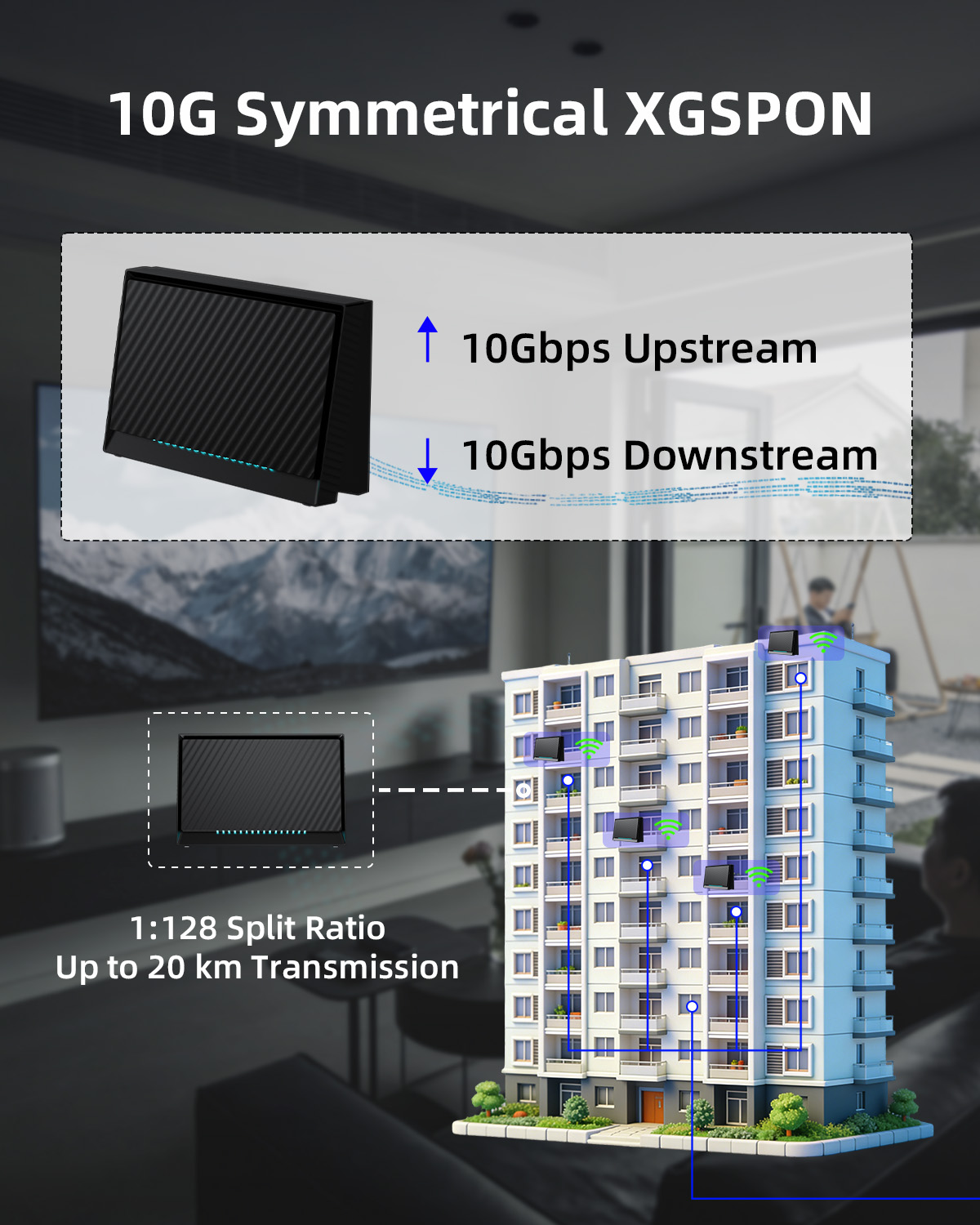
High-Performance WiFi 7 Connectivity
The gateway delivers BE7200 WiFi 7 performance, including:
This provides the wireless capacity required for modern multi-device households.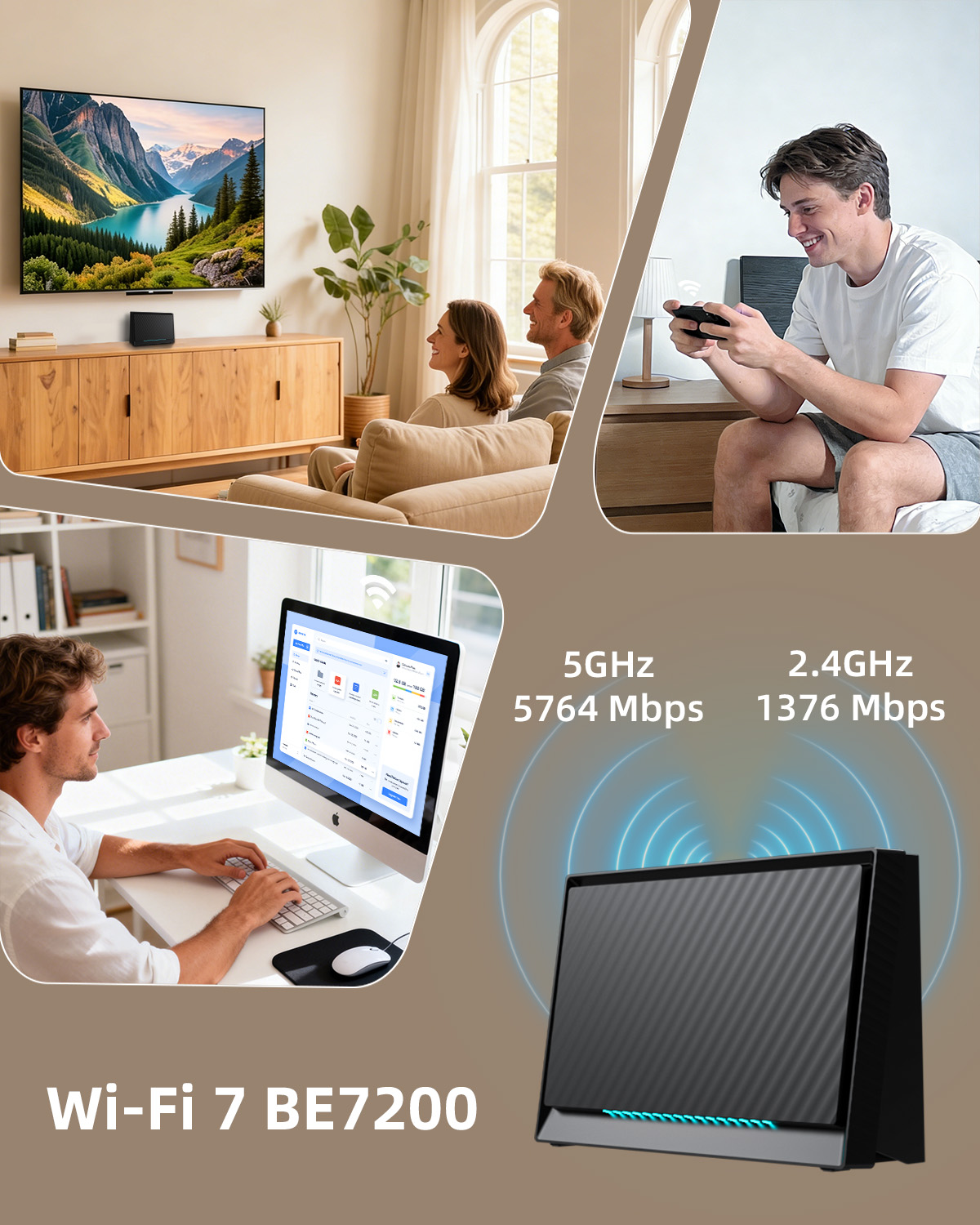
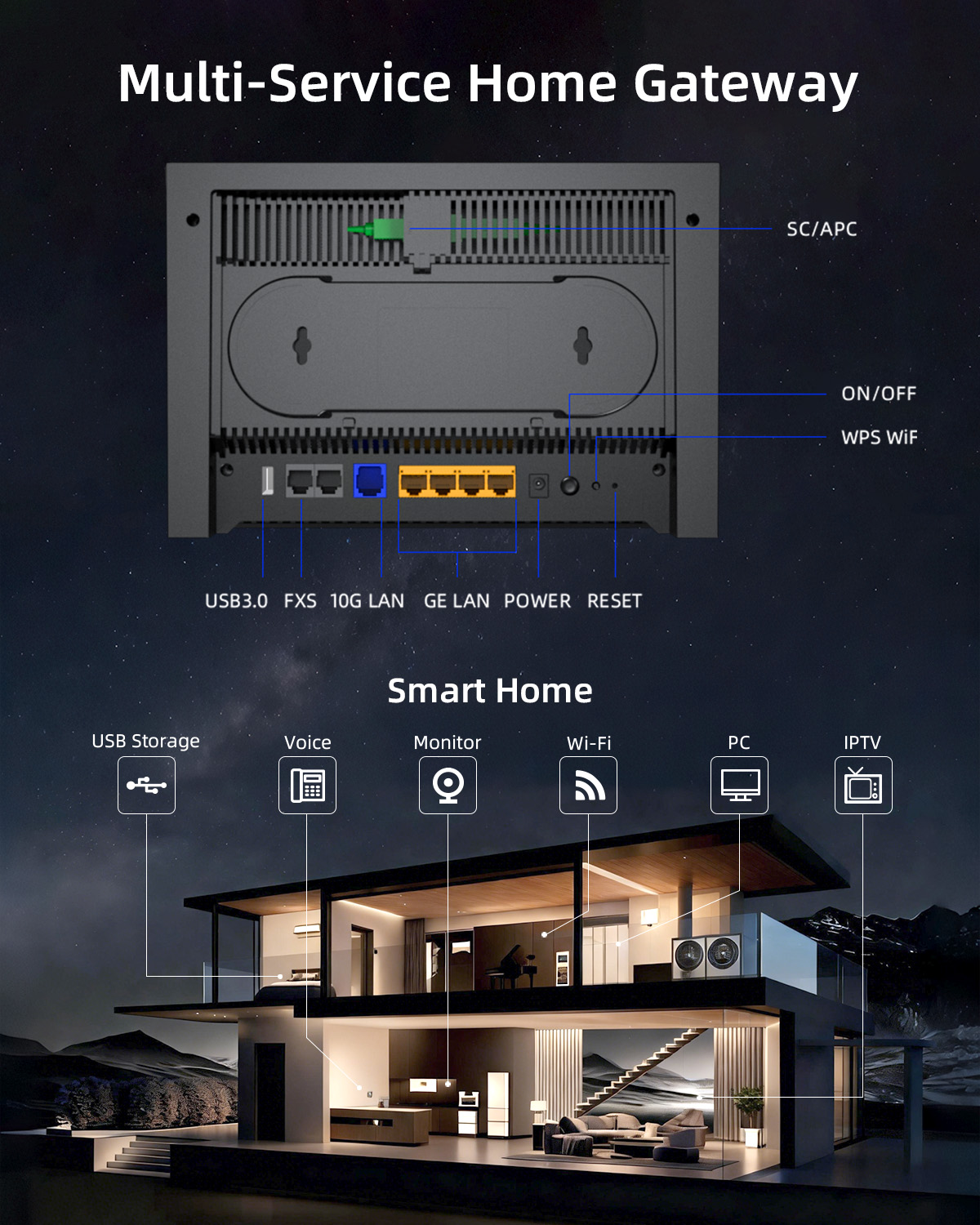
Integrated Service Capability
XP955XVE also integrates multiple service interfaces:
This enables operators to deliver broadband, voice, and digital home services from a single platform, simplifying service deployment.
The broadband industry has spent years upgrading last-mile infrastructure. As fiber networks continue to expand and access speeds increase, attention is now shifting toward the final link inside the home.
For ISPs, this represents an important transition. Delivering a high-quality broadband experience increasingly depends not only on the access network but also on the capabilities of the home networking environment.
For most households, solving this problem is not straightforward. Consumers typically lack the technical knowledge to select and configure routers that fully match the capabilities of their broadband service. This is where integrated home gateways play an important role.
By deploying fiber access, WiFi, and service capabilities within a single device, operators can ensure that home network performance aligns with the capacity of the access network.
Integrated platforms also simplify network troubleshooting. When users experience connectivity issues, operators can diagnose problems more effectively without the uncertainty introduced by third-party routers.
At the same time, deploying WiFi 7-capable gateways allows operators to upgrade home networks alongside fiber infrastructure, delivering a tangible improvement in user experience.
In the multi-gigabit era, the home gateway is no longer just an access device — it is becoming a critical component in delivering the full value of next-generation broadband services.